US senator links Lebanon’s future, regional ties to disarming Hezbollah
US Senator Lindsey Graham warned on Tuesday that Lebanon’s political and economic future, and its regional and international standing, hinge on disarming Hezbollah, saying the step is essential for unlocking international support and stability.
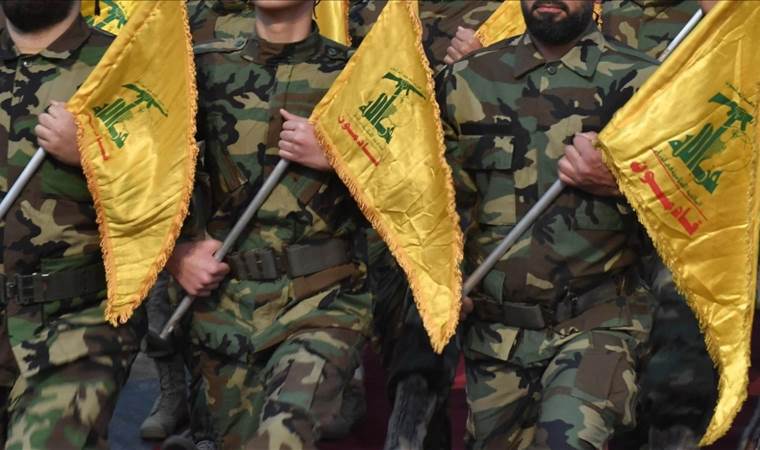

Speaking at a press conference in Beirut after meeting with Lebanese President Joseph Aoun, as part of a congressional delegation visiting Lebanon, Graham said Lebanon faces a historic choice.
“This country is going backward, not forward, if you don’t disarm the Palestinians and Hezbollah and make the Lebanese army the central repository of arms,” he said.
The US senator said disarming non-state groups would open the door for greater Arab and Western engagement with Lebanon.
Graham also raised the prospect of a US-Lebanon defense agreement, describing it as potentially transformative.
“The idea that America may one day have a defense agreement with Lebanon changes Lebanon, unlike any single thing I could think of. I want to defend religious diversity, and those who want to destroy it should understand their days are numbered.”
While the US senator emphasized that the ultimate decision lies with the Lebanese people, he insisted that Israel would not alter its posture toward Lebanon without disarmament.
“Israel is never going to look at Lebanon differently until you do something different,” he said, portraying Hezbollah as a liability to Lebanon’s sovereignty and regional future.
On Aug. 5, the Lebanese government approved a plan to consolidate all weapons under state control. The government tasked the army with drafting a plan to achieve this by the end of the month and executing it before the end of 2025. Hezbollah rejected the decision, calling it a “grave sin.”
Israel launched a military offensive in Lebanon on Oct. 8, 2023, which escalated into a full-scale war by September 2024, killing more than 4,000 people and injuring around 17,000.
A ceasefire was reached in November, but Israeli forces have conducted near-daily attacks in southern Lebanon, claiming to target Hezbollah activities.
Under the truce, Israel was supposed to fully withdraw from southern Lebanon by Jan. 26, but the deadline was extended to Feb. 18 after Tel Aviv refused to comply. Israel still maintains a military presence at five border outposts.
