US scales back development, diplomatic presence in Africa
The US is significantly reducing its development and diplomatic operations in Africa, causing growing concern over the region's future of health, education, and economic progress.
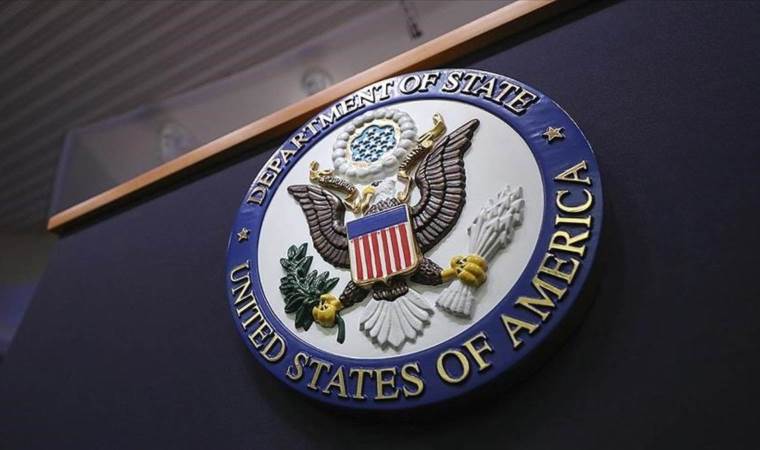

Under the Trump administration, a leaked executive order revealed plans to restructure the State Department’s Africa operations and dramatically scale back US Agency for International Development (USAID) programs.
In January, Washington froze USAID foreign aid for 90 days.
The cuts have severely impeded health, education, and development initiatives in Sub-Saharan Africa, such as HIV/AIDS treatment, malaria prevention, maternal health care, and agricultural assistance.
Countries such as Kenya, Uganda, and Nigeria have been forced to suspend or scale back life-saving programs.
USAID’s focus is shifting toward a limited number of “strategic countries,” reducing its presence elsewhere.
According to the US Foreign Assistance Data portal, several African nations, including Equatorial Guinea, Eritrea, Gabon, Guinea-Bissau, Mauritius, Sao Tome and Principe, and Seychelles, received no aid this year.
Others, such as Cape Verde, Comoros, and Gambia, received only minimal assistance.
Diplomatically, the US, which has traditionally maintained one of the largest networks of embassies in Africa—second only to China—is planning to close embassies in Eritrea, Gambia, South Sudan, the Democratic Republic of Congo, Lesotho, and the Central African Republic, along with consulates in Cameroon and South Africa.
Draft proposals further suggest dissolving State Department units dedicated to African affairs, democracy promotion, human rights, refugee policy, gender equality, and climate issues.
In response, some African governments are seeking domestic solutions.
Nigeria has allocated $200 million to fill the gap in healthcare aid.
However, many other countries face challenges such as corruption and weak governance, making such efforts difficult to sustain.
Experts warn that unless African nations diversify their international partnerships and use domestic resources more effectively, years of progress in health and development may be reversed.
Most Read News
-
 Israeli forces detain 53 Palestinians in occupied West
-
China's Xi to pay state visit to US this week, with
-
Specialist rape courts to be rolled out across UK to
-
Zelenskyy says overnight Russian strikes killed 1
-
EU rejects Russian elections in ‘occupied’ Ukraine
-
Kremlin says no progress made in Ukraine negotiations
-
Trump says planned 250-foot arch to serve as military
-
Israeli airstrikes, artillery fire hit several areas in