UK prepares mine-clearing vessel for possible Strait of Hormuz deployment
Britain is preparing to deploy a Royal Navy evacuation vessel to the Strait of Hormuz, equipped with a fleet of autonomous drones designed for mine detection and clearance, according to the Sunday Times on Saturday.
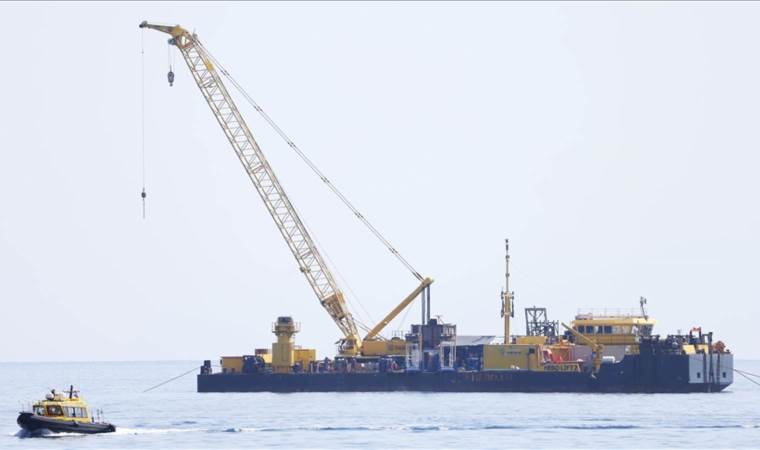

Last week, ministers said RFA Lyme Bay, an amphibious landing vessel currently undergoing routine maintenance in Gibraltar, would be sent to the Mediterranean for training exercises.
However, sources cited by The Sunday Times, indicated that John Healey, the UK's defense secretary, has authorized contingency plans for the 580-foot Bay-class ship to be sent to the Strait of Hormuz to support mine-clearance efforts.
According to the report, RFA Lyme Bay will be equipped in Gibraltar with autonomous mine-clearance systems, including underwater drones and mine-hunting boats, allowing it to serve as a mothership for seabed scanning and mine disposal operations.
A defense source told the Times that “no decision” had yet been taken on deployment to the Strait of Hormuz, adding: “This preventative step gives ministers options should they be needed to help resume the normal flow of merchant shipping.”
The Times previously reported that Royal Navy Mine and Threat Exploitation Group drones already in the region were being considered for deployment, with the unit expected to support resources aboard RFA Lyme Bay, which can carry up to 500 troops and includes onboard medical and weapons systems.
Trump said this month he was “not happy” with the UK’s response to the Middle East crisis, adding that Britain “should be involved enthusiastically” in efforts to reopen the Strait of Hormuz.
A US amphibious assault vessel carrying thousands of expeditionary forces has arrived in the Middle East, US Central Command said Saturday.
“US Sailors and Marines aboard USS Tripoli (LHA 7) arrived in the US Central Command area of responsibility, March 27,” CENTCOM said in a statement.
Since Feb. 28, the US and Israel have carried out an air offensive on Iran, killing more than 1,340 people, including then-Supreme Leader Ali Khamenei.
Iran has retaliated with drone and missile strikes targeting Israel, as well as Jordan, Iraq, and Gulf countries hosting US military assets, causing casualties and damaging infrastructure while disrupting global markets and aviation.
The Strait of Hormuz has been effectively disrupted since early March. Around 20 million barrels of oil normally pass through it daily, and the disruption has driven up shipping costs and pushed global oil prices higher.
