UK eases Russian oil sanctions amid fears over fuel shortages after Hormuz disruption
Britain has eased key sanctions on Russian oil products and liquefied natural gas in a move officials say is necessary to protect fuel supplies as conflict in the Middle East drives up energy prices.
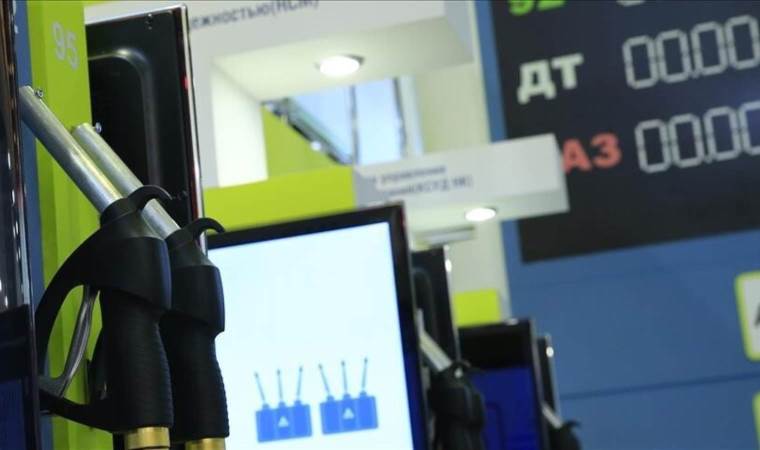

The waiver, which comes into force on Wednesday, allows greater flexibility around Russian oil refined into diesel and jet fuel in third countries, amid mounting concerns over disruption to global energy markets following the effective blockade of the Strait of Hormuz since the start of the US-Israel war with Iran.
Some sanctions affecting the transport of Russian liquefied natural gas (LNG) have also been lifted. The government additionally issued a time-limited license covering the maritime transportation of LNG and related services under Russia sanctions rules until Jan.1.
Cabinet ministers insisted the broader sanctions regime against Moscow had become tougher overall, but argued that temporary exemptions are needed to safeguard critical fuel supplies.
The decision mirrors a similar move by the US, which drew sharp criticism from opponents who argued Western governments risk undermining support for Ukraine.
European jet fuel prices more than doubled in the immediate aftermath of the conflict, although they have since eased to around 50% above pre-war levels. UK petrol pump prices have also continued to climb.
Defending the move, Treasury Minister Dan Tomlinson described the changes as “small and specific” and “time-limited.”
Speaking to the BBC, he said the government is acting to “protect the security of supply for really important foundational goods in our economy such as jet fuel.”
While the government reportedly remains “steadfast in its commitment to supporting Ukraine,” Tomlinson said it had to “make the right and sensible decisions” when it came to vital products so that it could support families “struggling with the cost of living.”
Criticism
The decision triggered criticism from within Labour ranks. Emily Thornberry, chair of the Foreign Affairs Select Committee, said she opposed the easing of sanctions.
She told BBC Radio 4 that she had heard from contacts in Ukraine overnight and they were “very disappointed.”
“We're talking about our allies in Ukraine who have been fighting a war bravely against Russia for years and years, with our support, and they have looked to Britain as one of their most important allies, and they don't understand,” she said.
Responding to suggestions that the UK was following similar measures introduced by Spain and the US, Thornberry added: “Just because other countries are behaving in the wrong way, does not mean we should join them.”
Most Read News
-
 Russian president, Saudi prince discuss situation in
-
Romanian court grants former presidential candidate
-
UN chief says Israeli actions in occupied West Bank
-
Israeli prime minister lashes out at New York mayor
-
El Nino strengthening rapidly, health impacts expected
-
Trump attacks news outlets after lawsuit over White
-
US plans to establish 2 new military bases in Greenland
-
Yemeni government forces seize strategic mountain
-
22-year-old worker dies after fall at Rome’s Colosseum
-
Netanyahu failing after Macron criticizes occupier