Israeli energy minister expects gas export deal with Egypt ‘within weeks’
Israeli Energy Minister Eli Cohen said Thursday he expects Israel and Egypt to sign their new natural gas export agreement “within weeks.”
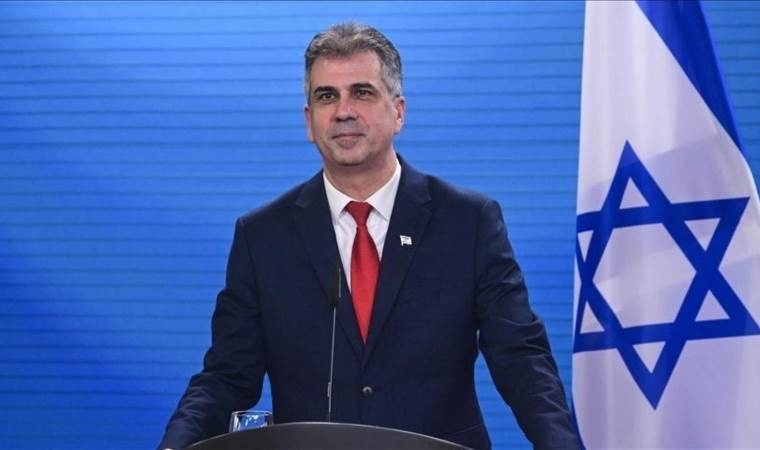

In an interview with the daily Yedioth Ahronoth, Cohen argued that “leaving natural gas in the seabed (of the Mediterranean) contradicts economic logic and Israel’s geopolitical needs,” adding that Israel has enough gas for 30 years of exports and domestic consumption.
He said laws and regulations should facilitate, not hinder, development.
The minister said the new $35 billion gas-export deal to Egypt “has not been blocked” by Prime Minister Benjamin Netanyahu’s government.
“Talks are underway between the two governments and the energy companies, and the gaps have narrowed significantly,” he said.
Cohen claimed that Egypt sought several security clarifications – which he did not detail – and said they are nearly resolved.
“I estimate the agreement will be signed within weeks,” he said.
There was no comment from Egyptian authorities on the Israeli minister’s statements.
Describing the deal as “historic”, Cohen said it would ensure lower energy prices for Israeli consumers and “strengthen Israel’s international and regional standing.”
His remarks follow Israeli and Egyptian media reports about a potential Qatari gas deal for Egypt amid delays in finalizing the agreement with Israel over the past three months.
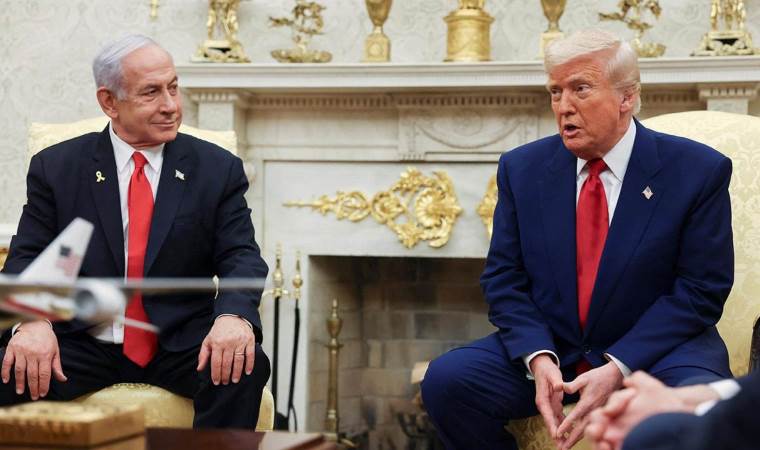
In September, the Israel Hayom newspaper reported that Netanyahu instructed officials not to proceed with the gas deal without his personal approval, following claims that Egypt had violated the security annex of the 1979 peace treaty – allegations Cairo denied.
In August, the Israeli company NewMed Energy announced an expanded gas-export agreement from the Leviathan field to Egypt, building on a 2019 deal for 60 billion cubic meters.
The new package, Israel’s largest, envisions exporting 130 billion cubic meters through 2040 at a value of $35 billion.
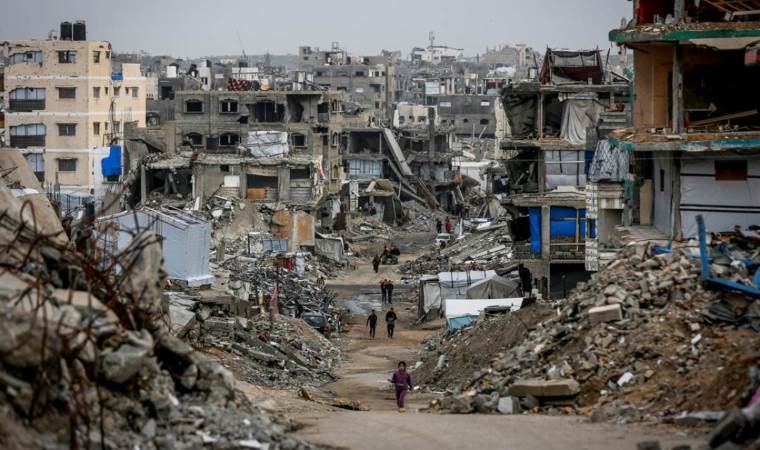
Egypt rejected an Israeli-American proposal to transfer Palestinians from Gaza into Egyptian territory and objected to Israel’s takeover of the Palestinian side of the Rafah crossing following a two-year Israeli genocidal war on the enclave.
Nuclear energy strategy
Cohen said he appointed a team of experts to develop a national nuclear energy strategy that includes building a nuclear power plant.
The cost of generating electricity from nuclear sources is falling due to new technologies, he added, saying he plans to present the team’s recommendations to the cabinet.
Electricity demand in Israel is rising 3.7% per year, doubling roughly every 20 years, Cohen said.
With the added needs of AI, quantum computing and electric vehicles, he argued that Israel “cannot avoid nuclear energy.”
Israel is the only country in the region believed to possess nuclear weapons, though it has never officially declared its arsenal nor signed the Nuclear Non-Proliferation Treaty.
Cohen also discussed the possibility of relocating the Haifa oil refinery, citing lessons from Israel’s 12-day US-backed war with Iran earlier this year.
According to Yedioth Ahronoth, the Haifa refinery sustained a direct hit from an Iranian missile during the attacks.
Cohen said operations have since resumed at full capacity but argued that, instead of shutting the refinery down as previously planned, Israel should move it to the Negev, to the southern Mishor Rotem area.
He said the relocation would create thousands of high-paying jobs, noting that he reached an agreement with local mayors to support the move.
Most Read News
-
 White House defends Trump’s media ban
-
Azerbaijani president pardons French national convicted
-
Indonesia records 175,000 respiratory infections as
-
Trump meets with Venezuela’s acting president in 1st
-
Netanyahu won’t meet Trump during ‘brief’ UN visit
-
Board of Peace to unveil $2.45B Gaza recovery plan
-
22-year-old worker dies after fall at Rome’s Colosseum
-
Netanyahu failing after Macron criticizes occupier