Former Russian president says Trump's willingness to discuss 10-point plan ‘victory’ for Iran
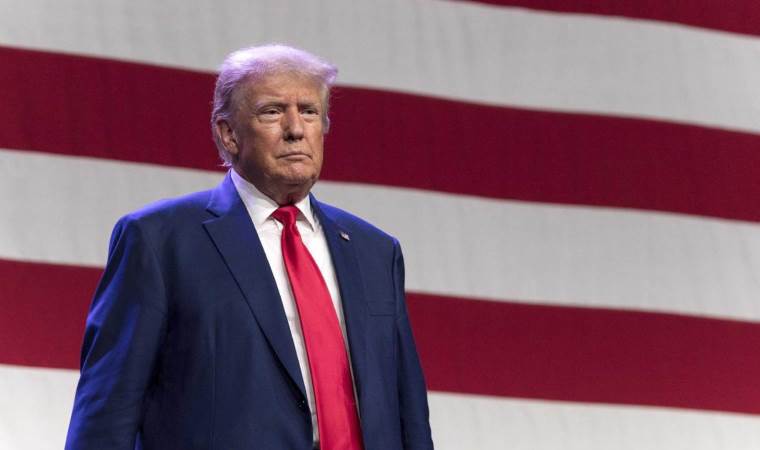
Former Russian President Dmitry Medvedev on Wednesday argued that US President Donald Trump’s willingness to discuss a 10-point proposal on ending the war between Tehran and Washington is a “victory” for Iran.
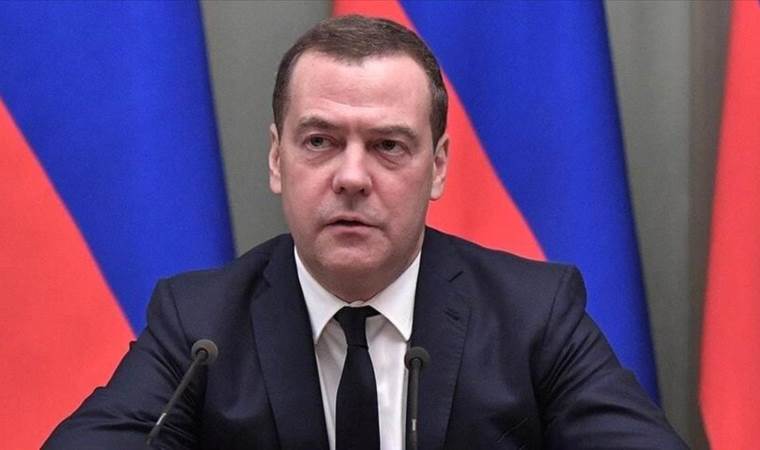

In a statement on Telegram, Medvedev, who currently served as the deputy head of Russia's Security Council, commented on the temporary ceasefire between the US and Iran announced by Trump a day earlier, stating that “common sense,” first and foremost, has won amid the agreement between the two countries, which he argued was “severely undermined” by US statements on "destroying Iranian civilization."
“At the same time, Trump's very agreement to discuss the ten-point plan is a victory for the Iranians,” Medvedev said, further stating that the question now is whether Washington will agree to it.
He argued that the US will not accept the deal, possibly leading to further hostilities, but suggested the presence of an “intermediate option.”
“Trump is unwilling and unable to wage war for long, and (US) Congress will not support him. Therefore, a fragile truce must be maintained and all must pretend that all is well. Because every move on this board creates a situation close to zugzwang,” he went on to say.
Medvedev also argued that Israel could make its own move in the context of the ceasefire announced, saying it does not need a ceasefire and that it has not resolved its own issues, thus making the situation “extremely uncertain.”
Trump announced Tuesday that he agreed “to suspend the bombing and attack of Iran for a period of two weeks.”
The announcement came less than two hours before a deadline Trump had set for Iran to reopen the Strait of Hormuz and accept an agreement or face what he described as the destruction of “an entire civilization.”
Regional tensions escalated since the US and Israel launched a joint offensive against Iran on Feb. 28, killing more than 1,340 people, including then-Supreme Leader Ayatollah Ali Khamenei.
Iran retaliated with drone and missile strikes targeting Israel as well as Jordan, Iraq and Gulf countries hosting US military assets. It also restricted the movement of ships through the Strait of Hormuz.
Most Read News
-
 White House defends Trump’s media ban
-
Azerbaijani president pardons French national convicted
-
Indonesia records 175,000 respiratory infections as
-
Trump meets with Venezuela’s acting president in 1st
-
Netanyahu won’t meet Trump during ‘brief’ UN visit
-
Board of Peace to unveil $2.45B Gaza recovery plan
-
22-year-old worker dies after fall at Rome’s Colosseum
-
Netanyahu failing after Macron criticizes occupier