Fed Chair says central bank ‘well positioned to wait and see how the economy evolves’
US Federal Reserve Chair Jerome Powell said Wednesday that the central bank is still in a wait-and-see mode as it decides future monetary policy decisions, as the Fed cut the policy rate for the third time in 2025.
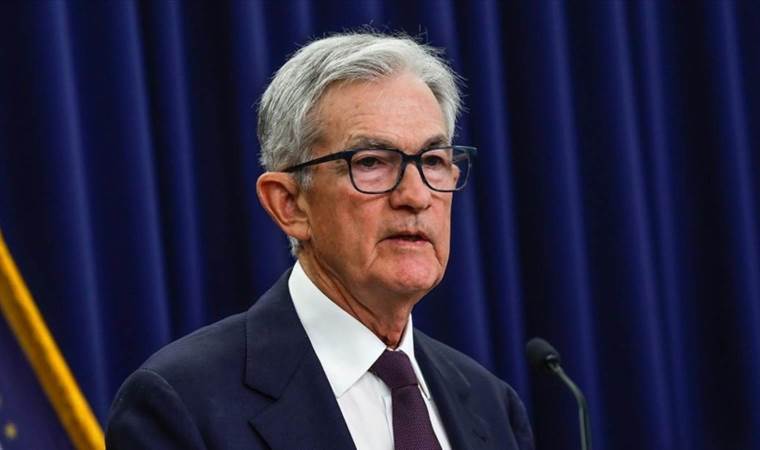

Powell said at a post-meeting news conference that the central bank is “well positioned to determine the extent and timing of additional adjustments based on the incoming data, the evolving outlook of the balance of risks.”
“We’ll carefully evaluate that incoming data, and also, I would note that having reduced our policy rate by 75 basis points since September and 175 basis points since last September, Fed funds rate is now within a broad range of estimates of its neutral value and we are well positioned to wait and see how the economy evolves,” he noted.
The Fed cut its benchmark federal funds rate by 25 basis points Wednesday between the 3.5% - 3.75% target range, as widely expected. It marked the third rate cut this year, as the bank had held the rate unchanged in the five previous meetings, before cutting it at a September meeting
The central bank said it is attentive to the risks to both sides of its dual mandate and saw downside risks to employment have risen, and job gains slowed this year.
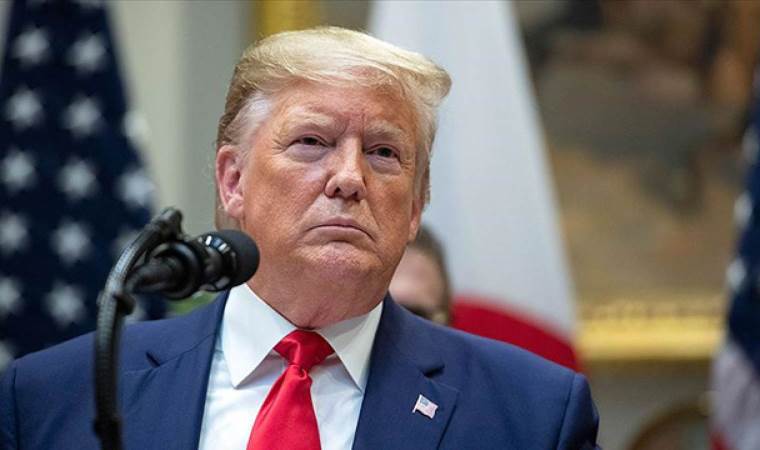
The Fed chair cited President Donald Trump's broad tariffs as a source of inflation. “It’s really tariffs that’s causing most of the inflation overshoot," he said,
But Powell stated that the tariffs will most likely result in a "one-time" spike in pricing. "Our job is to make sure that it is," he said.
He also may have ruled out the possibility of a rate hike in future meetings, saying, “I don’t think that a rate hike ... is anybody’s base case at this point. I’m not hearing that.”
Powell acknowledged that the decision to lower interest rates Wednesday was complex.
The decision was supported by nine of 12 governors, with Stephen Miran supporting a 50 basis point cut and Jeffrey Schmid and Austan Goolsbee voting for no change. The last time there were three "no" votes during the central bank’s meeting was in September 2019.
While there was considerable disagreement about the decision, Powell said there is widespread agreement on the dangers to both parts of the dual mandate.
“A very large number of participants agree that risks are to the upside for unemployment and to the upside for inflation,” said Powell, adding it is a “very challenging situation."
Most Read News
-
 Russian president, Saudi prince discuss situation in
-
Romanian court grants former presidential candidate
-
UN chief says Israeli actions in occupied West Bank
-
Israeli prime minister lashes out at New York mayor
-
El Nino strengthening rapidly, health impacts expected
-
Trump attacks news outlets after lawsuit over White
-
US plans to establish 2 new military bases in Greenland
-
Yemeni government forces seize strategic mountain