The loneliest lab: Single researcher at 5,000 meters
Perched on the path to the summit of Mount Everest, at an altitude of approximately 5,000 meters, lies the world's most daunting laboratory, serving as both a living space and office for just one individual.
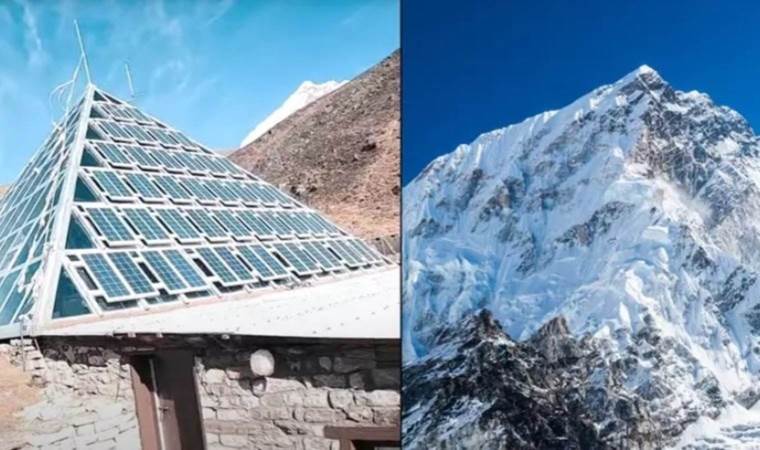

Known as the Pyramid, this research area was established in 1990 and has since been dedicated to studies on climate change and biodiversity.
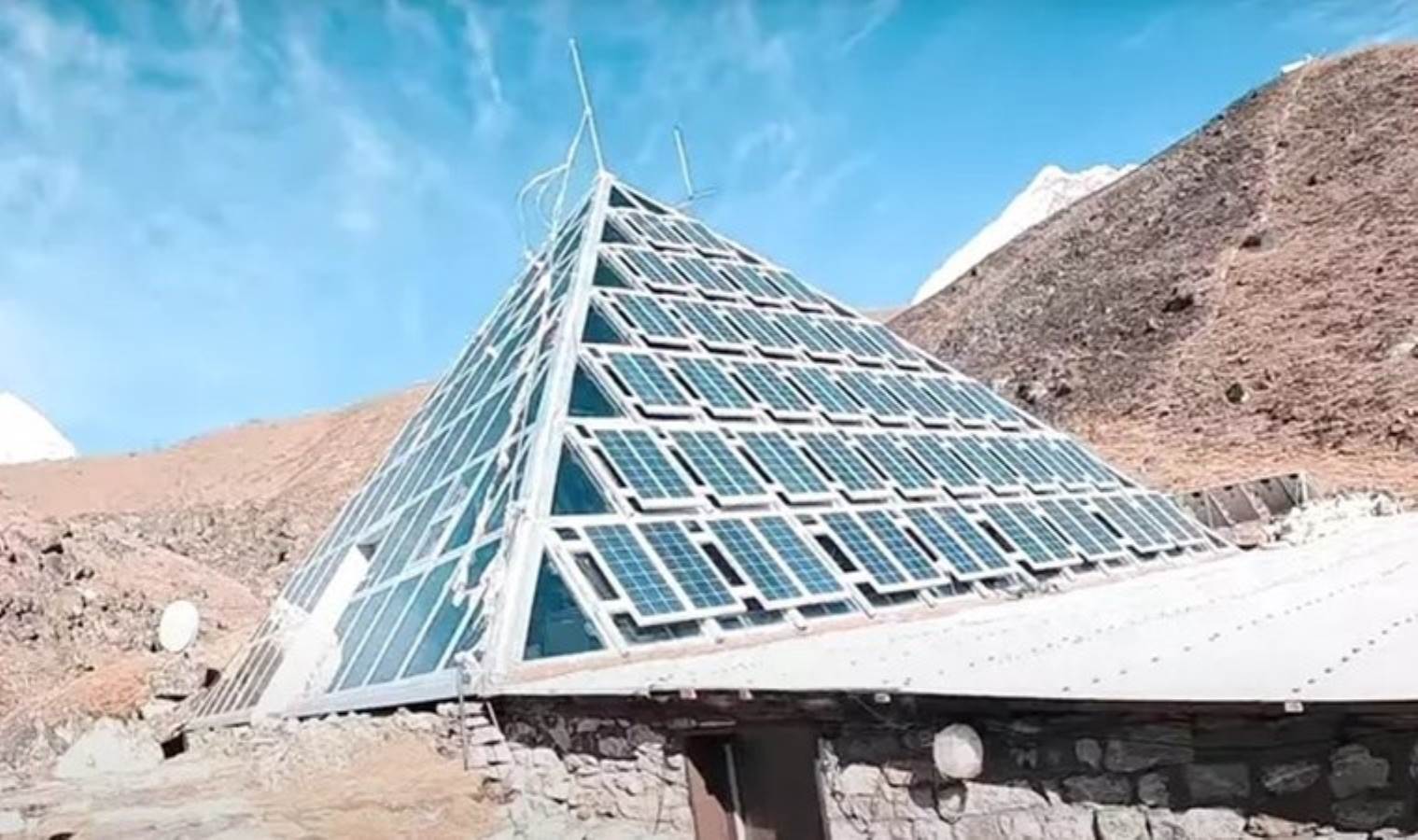
Equipped with a flawless internet and telecommunications system, this three-story center has successfully conducted around 520 missions to date.
Positioned at the top of the world, this laboratory is part of the Global Atmosphere Watch (GAW) Program, a joint venture between Nepal and Italy. Its mission is to monitor pollution levels and climate change in certain regions of Asia, stretching from the Indian Ocean to the Himalayas, which could be adversely affected by Brown Atmospheric Clouds.
These clouds not only impact the climate but also air quality, agriculture, and monsoon rains. It is known that they cause melting in the Himalayan snow.
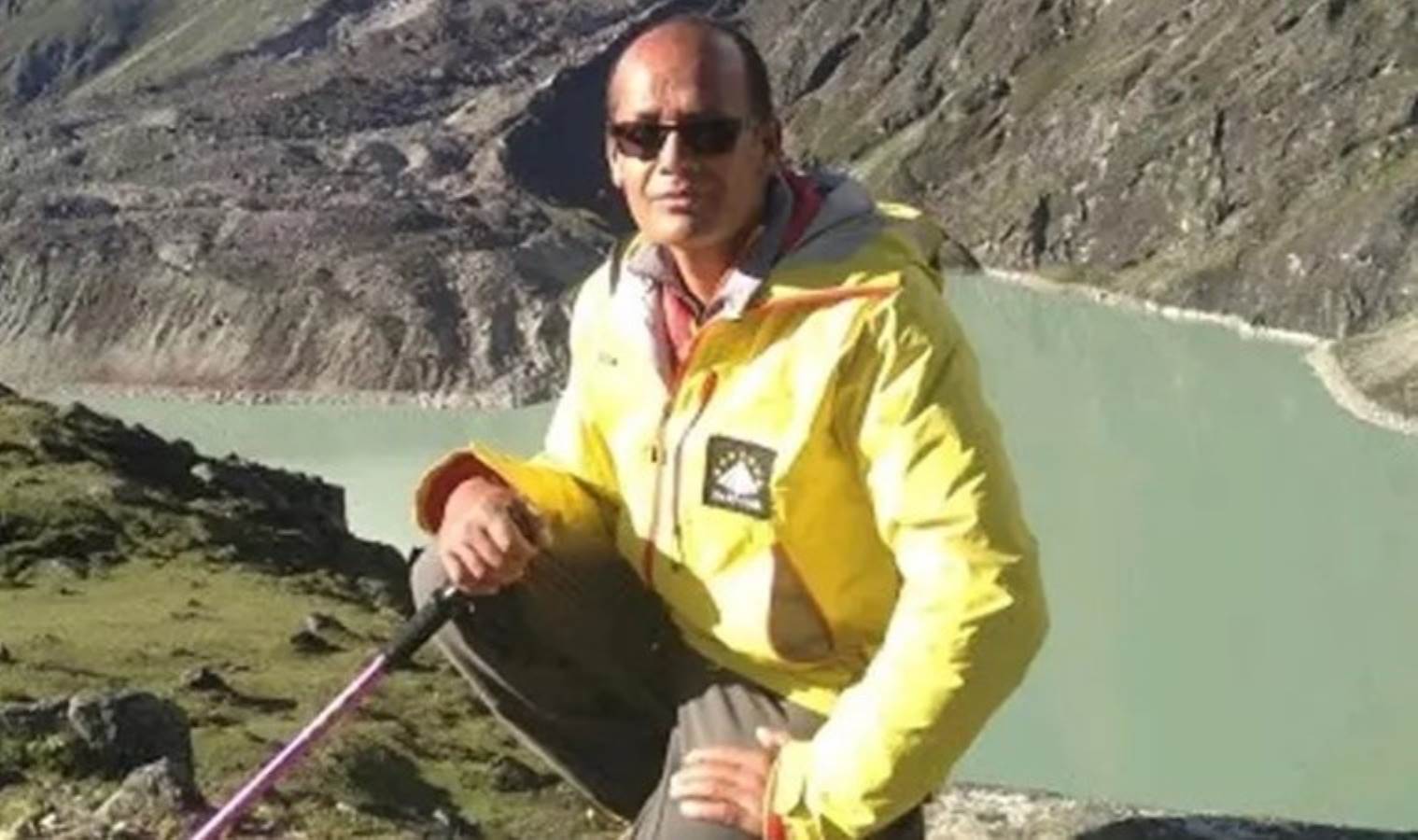
Dibas Shrestha, a meteorologist at Tribhuvan University in Nepal who spent time at the Pyramid between 2013 and 2016, told Scientific American, "Working alone in this terrain can be enjoyable at times but often feels lonely."
Paul Mayewski, a glaciologist from the University of Maine, emphasizes the importance of the laboratory, stating, "High mountain science stations are crucial if we want to understand climate and ecosystem variability."