2000-year-old sarcophagus unveiled in Alexandria, revealing ancient secrets
Archaeologists from Egypt's Ministry of Antiquities have opened a 2,000-year-old giant black sarcophagus in Alexandria's Sidi Gaber district.
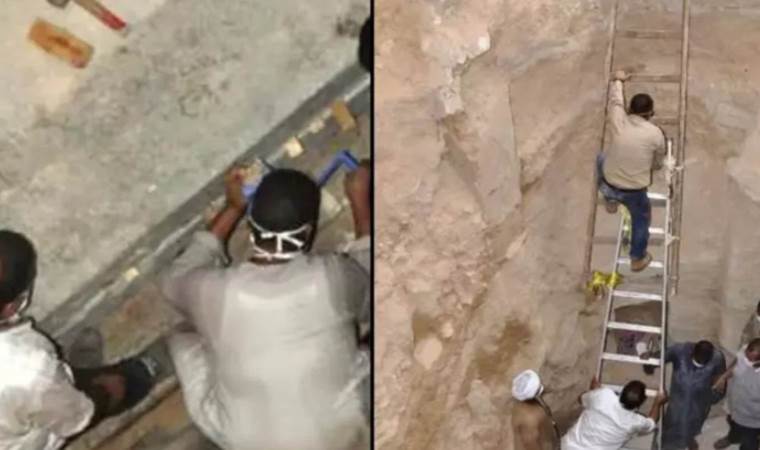

Measuring 2.5 meters, this sarcophagus, dating back to the Ptolemaic period (323-30 BCE), is the largest ever found in the area.
Upon opening the unbreached sarcophagus, the team encountered not cursed relics, but a sludge of sewage that had infiltrated from a nearby road. The overpowering stench required an hour-long airing before further inspection.
Inside lay three male skeletons, likely officials or possibly military members or priests, as identified by mummy and skeleton specialist Shaaban Abdel Moneim. The absence of inscriptions suggests they were not royal.
The skeletons are slated for transfer to the Alexandria National Museum for restoration and study, including investigations into their death and dating. Removing the sarcophagus, however, presents a challenge. Waad Abul-Ela, head of the Projects Sector at the Ministry, has detailed a two-part process for its careful extraction, emphasizing the preservation of its historical value.
Most Read News
-
 Putin says Russia, North Korea coordinating efforts to
-
Trump was ‘joking’ about declaring Strait of Hormuz US
-
US suspends Apache helicopter training flights after
-
6 people dead, 1 critically injured in Michigan shooting
-
Sudan Sovereignty Council chief says army open to peace
-
Taiwan approves 2026 budget after record 266-day delay
-
Son of former Mexican president blasts US barring him
-
Israeli airstrike kills 7, injures 3 in southern Lebanon